
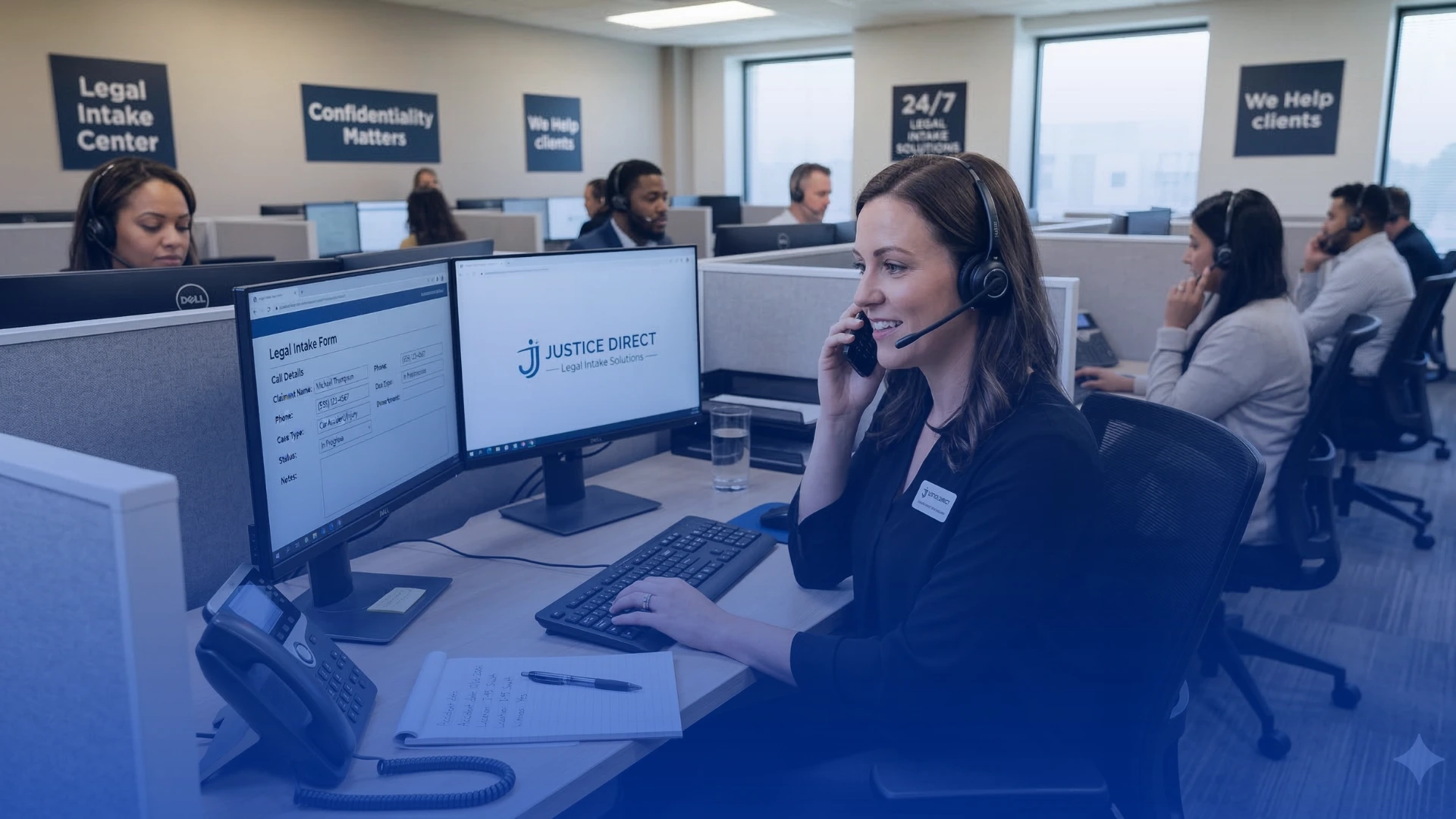
The first time a potential client picks up the phone to call a professional office, they are usually looking for help during a stressful time. The person who answers that call is the gatekeeper of the entire business, making the intake process the most critical step in the customer journey.
When an intake specialist knows exactly what to ask, they can turn a nervous caller into a confident client in just a few minutes. Mastering the art of the initial interview requires a mix of empathy, speed, and precision to ensure no detail is missed. If you want to transform your intake department into a high-performing engine that wins more business, please read on to discover the specific questions and strategies that make all the difference.
Why Mastering the Intake Conversation Matters for Growth
Every successful business relationship starts with a clear understanding of the facts and a strong sense of trust. By using a structured set of questions, you ensure that you are only spending time on the right clients while providing immediate value to everyone who calls.
- First Impressions: The intake specialist is the literal voice of the company during a lead's first point of contact.
- Data Accuracy: Correct information at the start prevents expensive mistakes during the actual service or legal case.
- Lead Filtering: Identifying poor-fit clients early saves your senior staff hours of wasted consultation time.
- Trust Building: Professional questioning shows the caller that your firm is organized and capable of handling their problems.
📚 Also Read: 10 Minute Daily Habit to Increase Your Client Pipeline
The 20 Client Questions Every Intake Specialist Must Master
To help you stay organized, we have broken these down into categories that follow the natural flow of a professional conversation. Mastering these 20 client questions every intake specialist must master will give you the confidence to lead any call.
The Basic Details and Connection Questions
Starting with simple questions helps the caller feel comfortable and allows you to gather vital contact information. These early questions also help your marketing team understand where your best leads are coming from.
- "Could you please start by giving me your full name and the best phone number to reach you?"
- "How did you hear about our services, or who can we thank for referring you to us?"
- "Is there an email address where we can send you follow-up information or documents?"
- "What is the best time of day for our team to contact you for a more detailed discussion?"
Understanding the Client’s Situation
Once the basics are out of the way, you need to dig into the heart of the matter. These questions help you determine if the client’s problem is something your firm is actually able to solve.
- "Can you give me a brief overview of what happened and why you are seeking help today?"
- "What is the specific date that this incident or problem first occurred?"
- "Are there any immediate deadlines or upcoming court dates that we should be aware of?"
- "Have you already spoken with another professional or firm about this specific issue?"
📚 Also Read: How Remote Legal Teams Handle Statute of Limitations Pressures
Identifying Involved Parties and Conflicts
It is essential to know who else is involved in the situation to avoid any legal or professional conflicts of interest. Identifying all parties early saves everyone a lot of time and potential trouble down the road.
- "Who are the other individuals or businesses involved in this particular situation?"
- "Is there an insurance company or a specific agent that has already been contacted?"
- "Are there any witnesses who saw what happened or who have relevant information?"
- "Do you have any police reports, medical records, or contracts ready for us to review?"
Gauging Expectations and Potential Solutions
Every client has a different idea of what success looks like for their case or project. Asking these questions helps you align your services with their specific needs and goals.
- "What is the main goal you are hoping to achieve by working with our team?"
- "How has this situation affected your daily life or your ability to work?"
- "Do you have a specific timeline in mind for when you would like this to be resolved?"
- "Are you currently working with a budget or looking for specific financial arrangements?"
Closing and Setting Next Steps
A call should never end without a clear plan for what happens next. These final questions ensure the client feels heard and knows exactly when they will hear from you again.
- "Is there anything else about your situation that you think is important for us to know?"
- "Do you have any questions for me about our process or what happens after this call?"
- "If we are able to move forward, how quickly are you prepared to sign the necessary paperwork?"
- "Would you like to schedule your formal consultation with one of our specialists right now?"

How High-Quality Intake Specialists Drive Firm Success
A master intake specialist does more than just read from a list. They use these questions to build a bridge between a person in need and the professional who can provide a solution.
- Higher Conversion Rates: Turning shoppers into committed clients through expert communication.
- Better Resource Allocation: Allowing attorneys and experts to focus on work rather than phone screening.
- Brand Consistency: Ensuring every caller receives the same high level of care regardless of when they call.
This is why growing firms are pivoting to Remote Legal Intake Specialists to manage their intake process.
📚 Also Read: Why Remote Intake Specialists Drive Law Firm Growth
Common Challenges During the Intake Process
Even with a perfect list of questions, some calls can be difficult to manage. Being prepared for these hurdles is part of what makes an intake specialist a true master of their craft.
- Emotional Callers: Managing distress with calm, professional empathy.
- Vague Answers: Knowing how to probe deeper without sounding like an interrogator.
- Information Overload: Filtering out irrelevant stories to find the core facts needed for the case.
The Role of Empathy in Client Intake
While data collection is the goal, empathy is the tool that makes it possible. People are more likely to share honest and detailed information if they feel that the person on the other end of the line actually cares.
- Active Listening: Using verbal cues to show you are paying attention.
- Validation: Acknowledging the difficulty of the caller's situation before asking for data.
- Tone Management: Keeping a helpful and warm presence even during busy hours.
Integrating Technology into the Intake Workflow
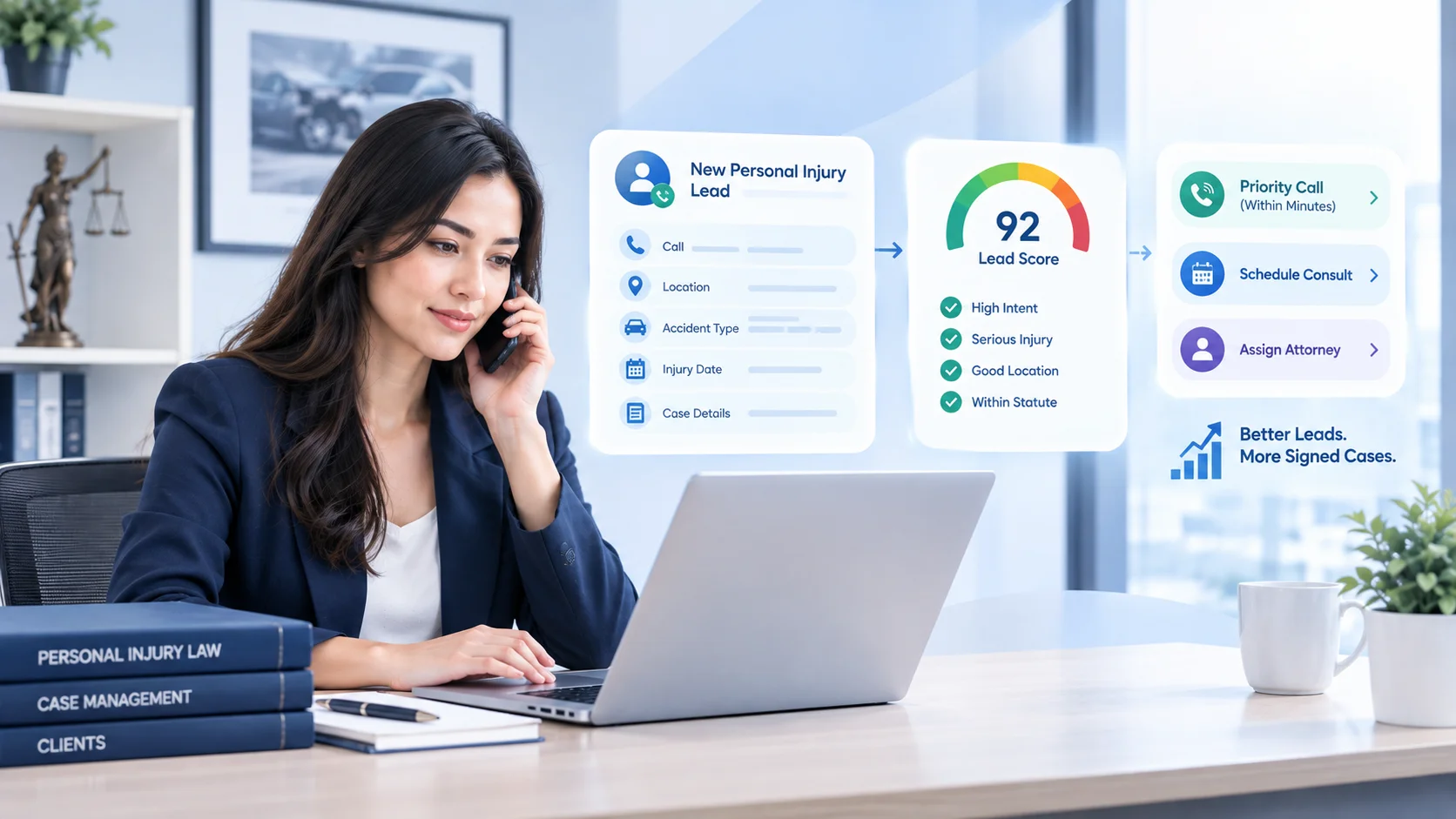
Modern intake specialists use customer relationship management software to track every answer in real time. This ensures that the data is organized and ready for the rest of the team to review immediately.
- Automatic Syncing: Sending intake data directly to case management files.
- Follow-up Triggers: Setting reminders to call back leads who weren't ready to commit.
- Security Compliance: Ensuring sensitive client data is stored according to privacy laws.
📚 Also Read: Beyond Cost Savings: The Hidden Benefits of Remote Legal Teams
Bridging the Gap: Why Leading Attorneys Hire Remote Specialists
Every question on this list is designed to protect your most valuable asset, your time. While these questions provide the structure, the execution requires a high-level skill set.
This is why growing firms are pivoting to Remote Legal Intake Specialists to manage their intake process. By implementing a structured, empathy driven intake process, your firm will see better client outcomes and smoother operations.
Partner with Legal Intaker for specialized, legal-trained intake specialists and start managing your practice.
FAQs About Questions Intake Specialist Must Master
What are the most important skills for an intake specialist?
An intake specialist needs to be a great listener and a fast typist. They also need to be able to follow a script while making the conversation feel natural and unhurried.
How do you handle a caller who is very angry or upset?
The best approach is to let them speak for a moment without interruption to vent their feelings. Once they have calmed down slightly, you can gently guide them back to the questions by explaining that the information is necessary to help them.
Why is the intake process so important for law firms?
For law firms, the intake process is the primary way to filter out cases that might have a conflict of interest or lack merit. It also ensures that the attorneys have all the facts they need to prepare for the first meeting.
Can intake be handled by a remote team effectively?
Yes, remote intake teams are often more efficient because they are dedicated solely to answering phones without the distractions of a busy office. This leads to faster response times and higher client satisfaction scores.
How often should an intake script be updated?
You should review your intake questions every few months to see if any new trends are emerging. If you find that you are missing a specific piece of information consistently, it is time to add a new question to the list.






.png)
.png)













.webp)














.webp)

.webp)









.webp)